
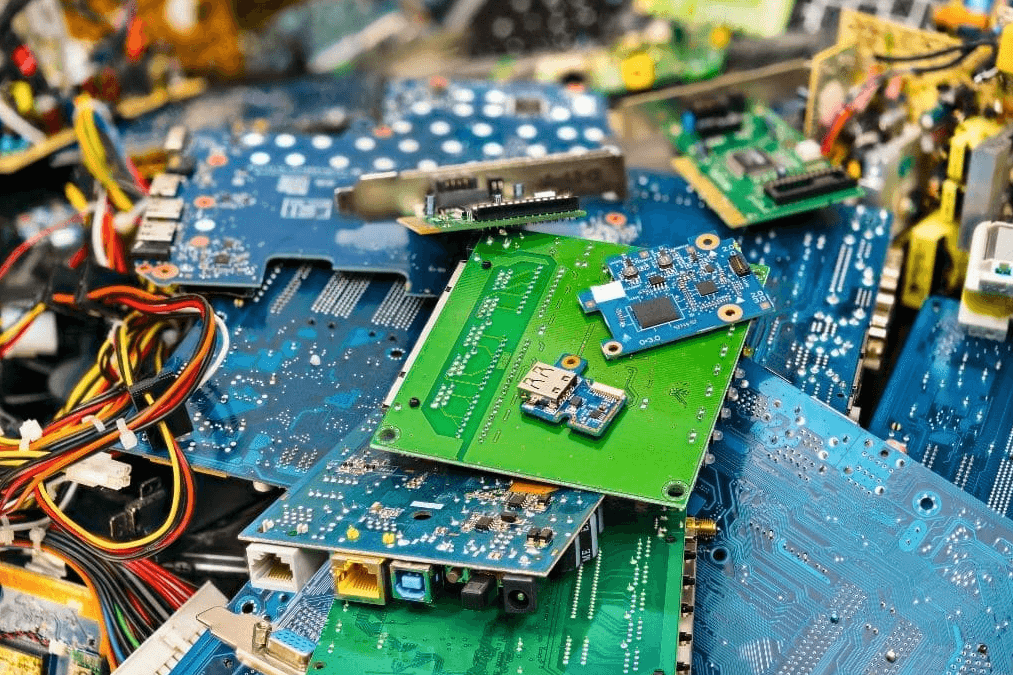
In today’s fast-paced world, technology is constantly evolving, and we are always on the lookout for the newest and most advanced electronic products. But have you ever stopped and thought about what happens to our old devices when we upgrade to the latest models? Sadly, most of them end up in landfills, polluting the environment and posing a threat to our health.
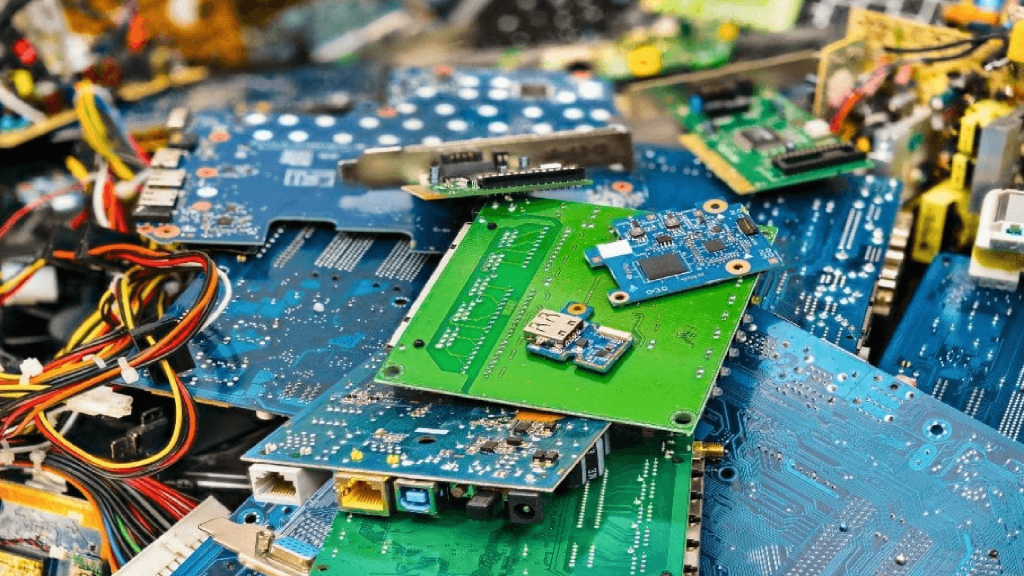
According to a report by the Global E-waste Monitor, over 53 million metric tons of electronic waste (e-waste) is generated every year. This includes old smartphones, laptops, TVs, and other electronic devices that have reached the end of their lifespan. E-waste is not only a major contributor to pollution but also contains hazardous materials such as lead, mercury, and cadmium that can seep into the environment and cause serious harm.
To tackle this global issue, facilities around the world have stepped up to recycle e-waste and give it a new lease on life. In this article, we will take a closer look at the fascinating process of turning electronic waste into raw materials and how it is changing the future.
Collecting and Sorting
The first step in e-waste recycling is to collect and sort the discarded products. This process involves separating them into different categories such as laptops, smartphones, batteries, hard drives, etc. This ensures that each item can be properly handled and recycled based on its materials and components.
Deconstruction and Separating Materials
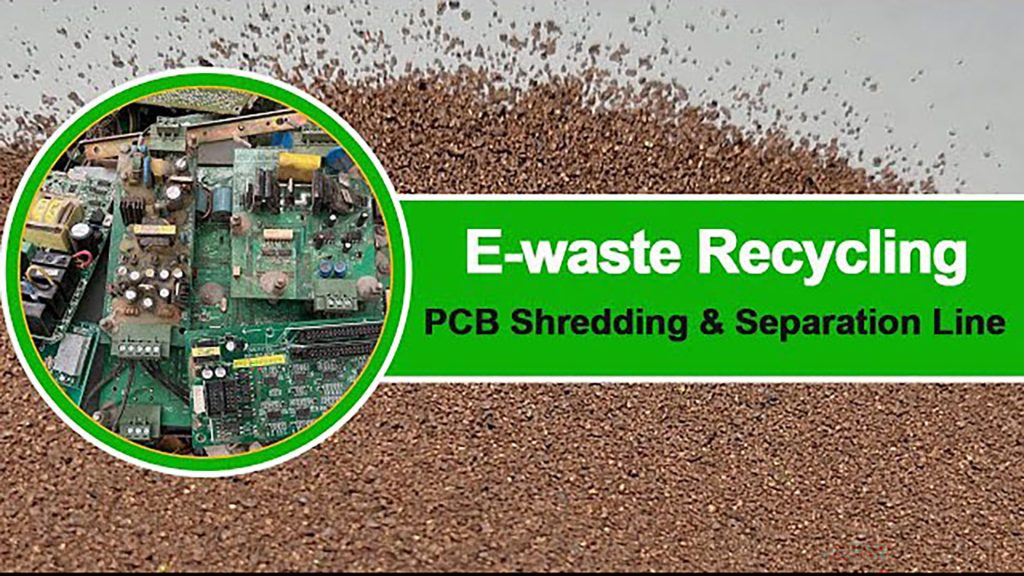
Once the products are sorted, they go through a deconstruction process. This involves breaking down the devices into smaller pieces to make it easier to extract useful materials from them. Heat is often used to melt and separate plastic, metals, and other materials from each other.
Separating Materials
In this step, the melted products are put into cold water to cut the plastic into smaller pieces. This process creates raw materials that can be reused in various industries. For example, plastic can be used to make new hangers or containers, while metals such as cobalt and gold can be used in the production of magnets and stainless steel.
Testing and Quality Control & Reincarnation
The recycled materials are then sent to labs where they are tested for quality before being used as feedstock for new products. This ensures that the recycled materials meet industry standards and are safe to be used in manufacturing processes.
Reincarnation
Finally, the recycled materials are ready to be reincarnated into new products. This is where the magic happens – old electronic waste is transformed into useful raw materials that go into making new devices, reducing the need for mining and other environmentally harmful processes. For example, cobalt retrieved from recycled lithium batteries can be used to make magnets and stainless steel, while gold can be used in the production of storage devices.
Not only does e-waste recycling help protect the environment from pollution, but it also helps reduce the demand for newly sourced materials and promotes sustainable practices.
Protecting Privacy
One major concern people have when handing over their old devices for recycling is the safety of their personal information. After all, our electronic devices hold a lot of sensitive data that we wouldn’t want falling into the wrong hands. That’s why e-waste recycling facilities also take steps to safeguard your privacy. Before processing any device, they ensure that all personal information is deleted and destroyed, giving you peace of mind about your privacy.
A Fresh Start
E-waste recycling not only benefits the environment but also provides a fresh start for our discarded electronic products. The hard drives that once held our past information are now given a chance to serve a new purpose, reducing our carbon footprint and promoting a circular economy.
Conclusion
E-waste is a growing problem globally, but with facilities like these turning trash into treasure, we can make a significant impact on reducing environmental pollution. By recycling electronic waste, we not only protect the planet but also conserve resources and promote sustainable practices.
So next time you upgrade your electronic devices, remember to recycle your old ones at a certified e-waste recycling facility. You’ll not only be doing your part in protecting the environment, but you’ll also be contributing to a more sustainable future for generations to come. After all, every small step counts in creating a better world for us and future generations.