
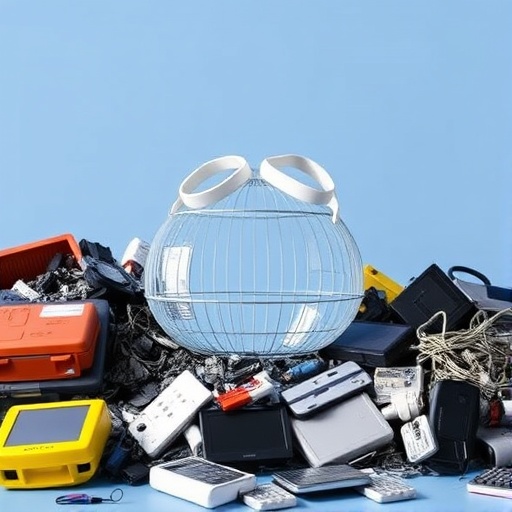
Technology is moving fast, and almost everyone today depends on electronic devices like smartphones, laptops, TVs, and home appliances. While these gadgets make our lives easier, there is a growing problem that often goes unnoticed — electronic waste, or e-waste management .
E-waste refers to old or discarded electronic devices that are no longer in use. The problem is that many of these devices contain harmful materials like lead, mercury, and cadmium. When they are thrown away carelessly, they can pollute the soil, water, and air, creating serious risks for both people and the environment.
This is where e-waste management becomes important.
Why E-Waste Management Matters
Proper e-waste management is not just about recycling old gadgets — it’s about protecting our environment and health. If electronic waste is not handled correctly, toxic chemicals can leak into nature and cause long-term damage.
On the other hand, when managed properly, e-waste can actually become a valuable resource. Many electronic devices contain precious materials like gold, silver, copper, and rare metals that can be recovered and reused.
How E-Waste is Managed
The process usually starts with collecting old electronic devices and sending them to a certified recycling facility. Once they arrive, the items are carefully sorted based on their type — such as computers, mobile phones, batteries, or televisions.
After sorting, dangerous parts like batteries and mercury-containing components are removed to ensure safety. Then the remaining devices are broken down into smaller pieces through a shredding process.These materials are further separated using advanced techniques. Metals, plastics, and glass are carefully extracted so they can be reused in manufacturing new products.
Benefits of Proper E-Waste Recycling
One of the biggest benefits of e-waste management is reducing environmental pollution. Instead of ending up in landfills, harmful substances are safely processed.
It also helps conserve natural resources. Instead of mining new materials, industries can reuse metals recovered from old electronics. This reduces environmental damage caused by mining.
Another important benefit is job creation. The recycling industry requires workers for collection, sorting, and processing, which helps support green employment opportunities.
What We Can Do as Individuals
Everyone has a role to play in solving the e-waste problem. Instead of throwing old devices in the trash, we should recycle or donate them whenever possible. Many companies and recycling centers also offer take-back programs where old electronics can be safely returned.
Small actions from individuals can make a big difference when it comes to protecting the environment.
Final Thoughts
E-waste is growing every year, and if we ignore it, the environmental impact will only get worse. But with proper e-waste management, we can turn this challenge into an opportunity — by protecting nature, saving